8
Representing
Drawings, trademarks, custom fonts, patterns and symbolic images can be used to embody people, places, products, services and ideas.
Graphic design relies heavily on representation, using visual signs to depict individuals, groups, organizations, countries, and concepts. Representation helps communicate identity, express social bonds, preserve and share knowledge, and unify diverse products, services and events. Simple marks were first made to aid storytellers; now designers create full systems of symbols, colors, shapes and images to represent complex global events like the Olympics or detailed type families that evoke the essence of a brand or the history of an organization.
Topics
- Prehistoric visual representation
- Mesopotamian, Egyptian, and Greek visual representation
- Chinese chops
- Early marks for books and printers
- Early business trademarks
- Indigenous beadwork and symbols
- Representation of Native culture and identity
- Symbolic representation in advertising
- Representation of Black culture and identity
- Symbolizing the Bauhaus philosophy
- Representation through clarity and order
- Symbols and American modernism
- Visual identity systems in America
- Global identity and the Olympics
- Representing with image
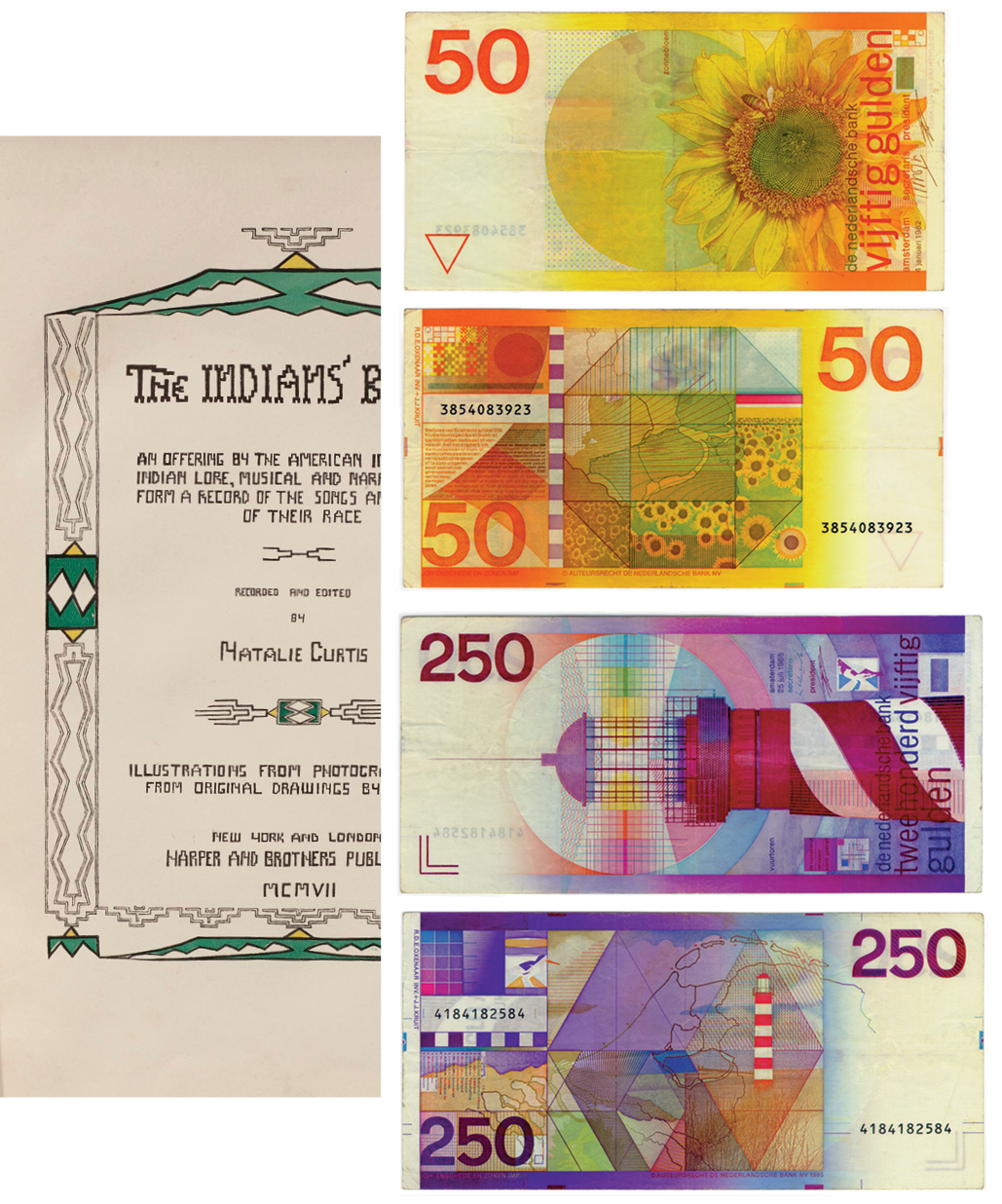
- Currency and postage stamps
- Postmodern design and representation
- Branding and identity